How to Improve Air Consumption While Scuba Diving
One of the most common questions in scuba diving is:
“How can I improve my air consumption?”
Many newer divers assume good air consumption is only about taking smaller breaths, but in reality, efficient air consumption is influenced by many different factors including:
- buoyancy
- weighting
- trim
- stress levels
- movement underwater
- comfort and relaxation
After teaching scuba diving professionally for more than 20 years, I’ve found that most divers naturally improve their air consumption as their overall diving skills improve.
The good news is that almost every diver can improve significantly with practice, awareness, and proper technique.
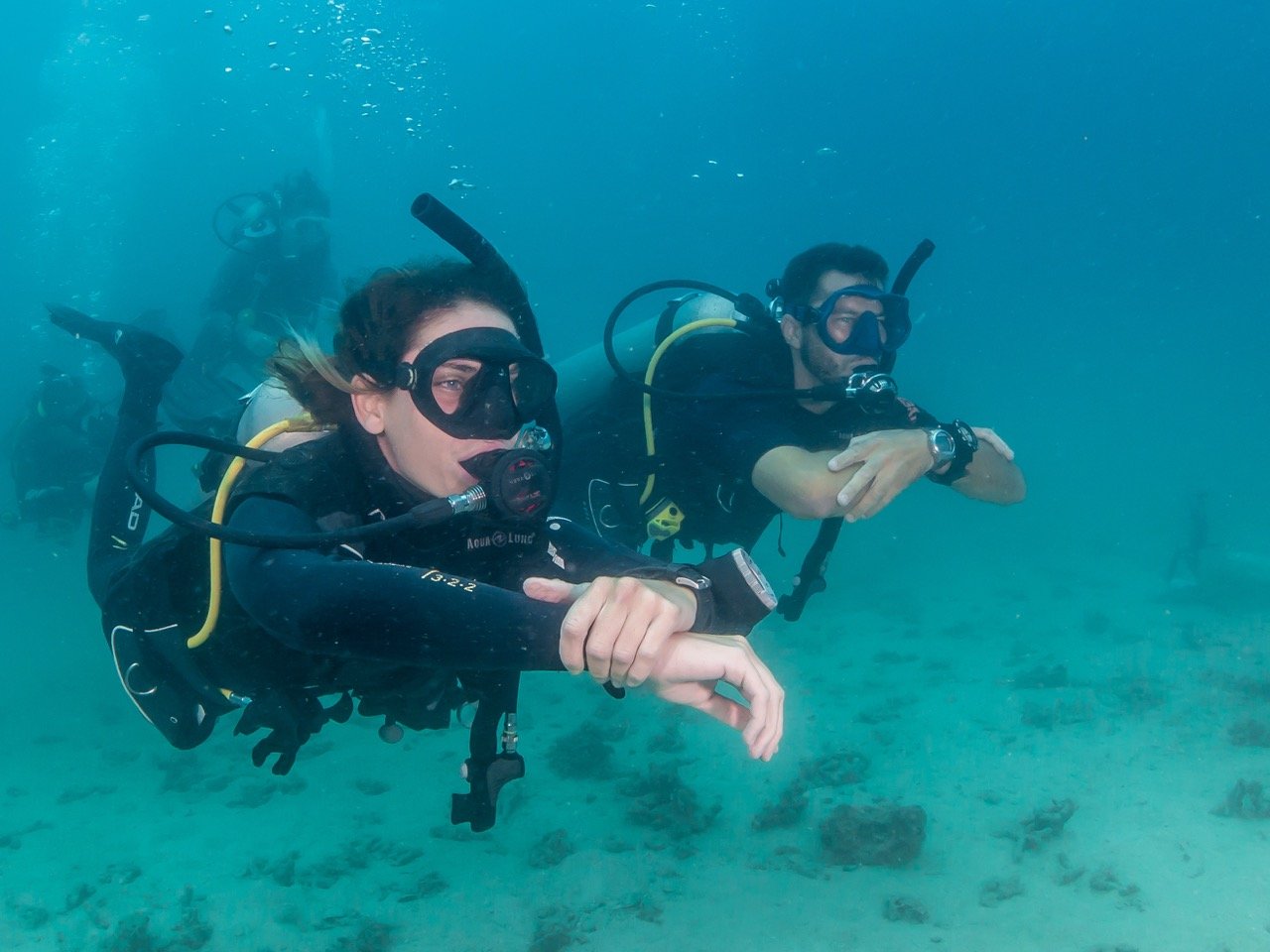
Good Buoyancy Improves Air Consumption
Poor buoyancy often leads to:
- excessive finning
- constant BCD adjustments
- instability underwater
- unnecessary movement
All of these increase energy usage and air consumption.
Divers with strong buoyancy control usually move less, stay more stable, and conserve significantly more air.
This is one reason why buoyancy training is so important for overall diving improvement.
Proper Weighting Makes a Huge Difference
Many divers are overweighted without realizing it.
Excess weight often creates a chain reaction:
- more air needed in the BCD
- increased instability
- more drag underwater
- additional effort while swimming
A proper buoyancy check and correct weighting can greatly improve both comfort and air consumption.
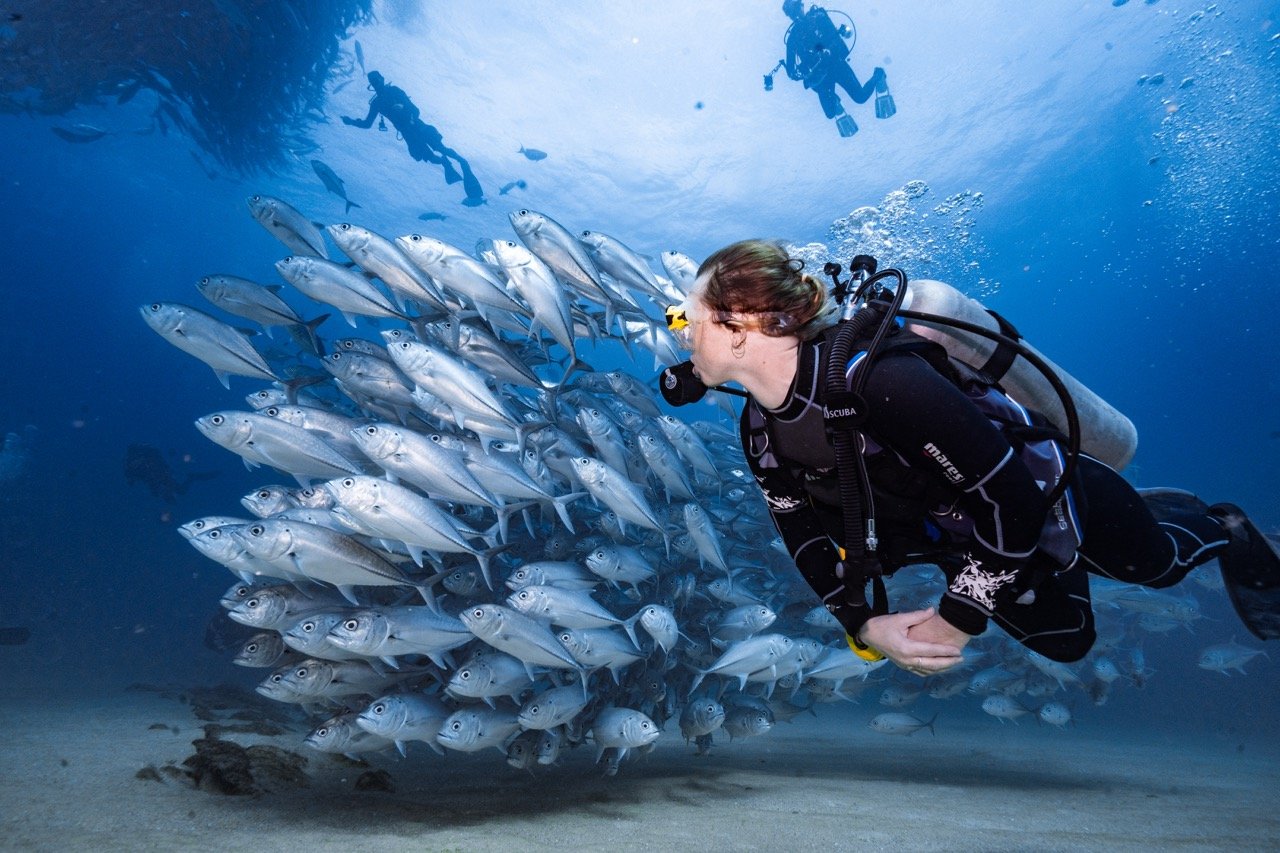
Why Air Consumption Matters
Improving air consumption can help divers:
- stay underwater longer
- feel calmer during dives
- reduce stress
- improve buoyancy
- increase comfort underwater
- become more efficient divers
Good air consumption is not about competing with other divers or trying to “hold your breath.”
It’s about becoming relaxed, efficient, and comfortable underwater.
Relaxation Is One of the Biggest Factors
Stress is one of the largest causes of poor air consumption.
When divers feel anxious or overloaded:
- breathing becomes faster
- heart rate increases
- muscles tense up
- movements become less efficient
This naturally increases air usage.
Many divers notice dramatic improvements in air consumption simply by becoming more comfortable and relaxed underwater over time.
Slow down.
Breathe calmly.
Move gently.
Scuba diving should feel smooth and controlled, not rushed.
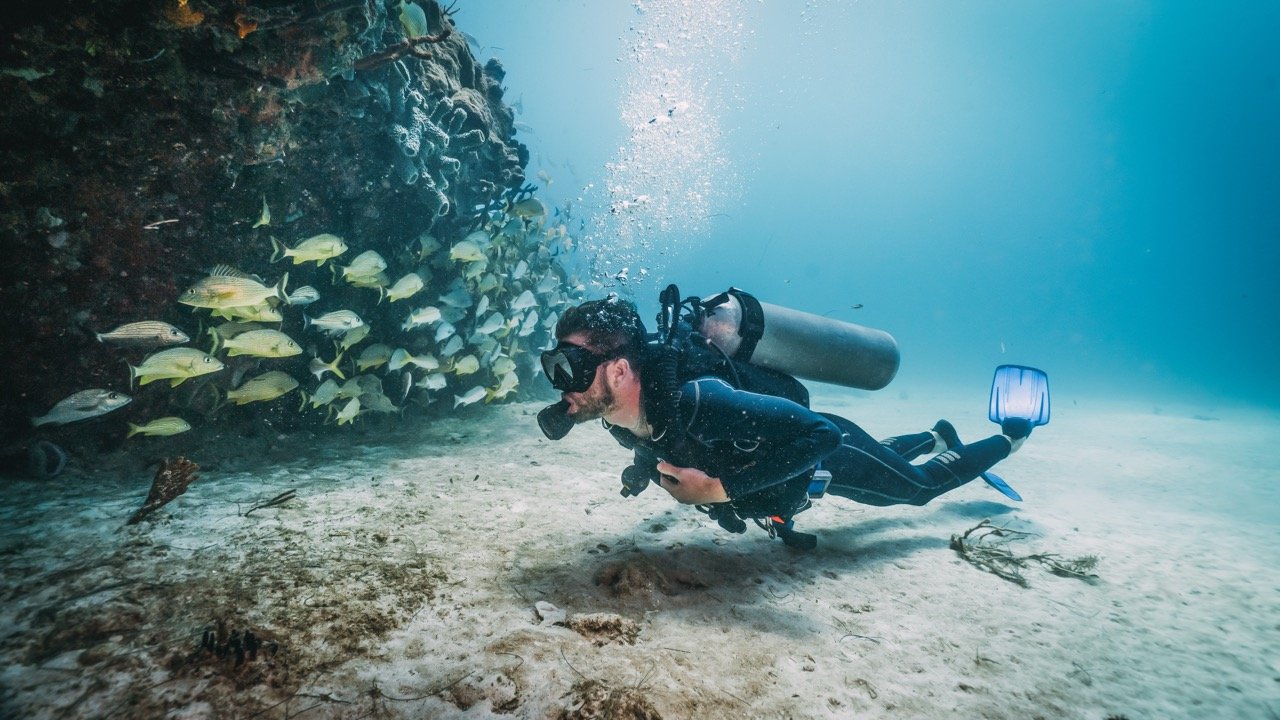
Trim and Streamlining Matter
Your body position underwater affects resistance and efficiency.
Divers swimming in a vertical position often create much more drag than divers maintaining a flat, streamlined trim position.
A good horizontal trim:
- improves movement efficiency
- reduces effort
- conserves energy
- improves buoyancy control
Even small trim improvements can noticeably reduce air consumption over time.
Finning Technique Is Important
Many divers kick far harder than necessary.
Large, fast, aggressive fin kicks often waste energy and increase breathing rate.
Efficient divers usually:
- move slowly
- use controlled kicks
- glide more
- avoid unnecessary movement
In many cases, slower divers actually use less air and enjoy the dive more.
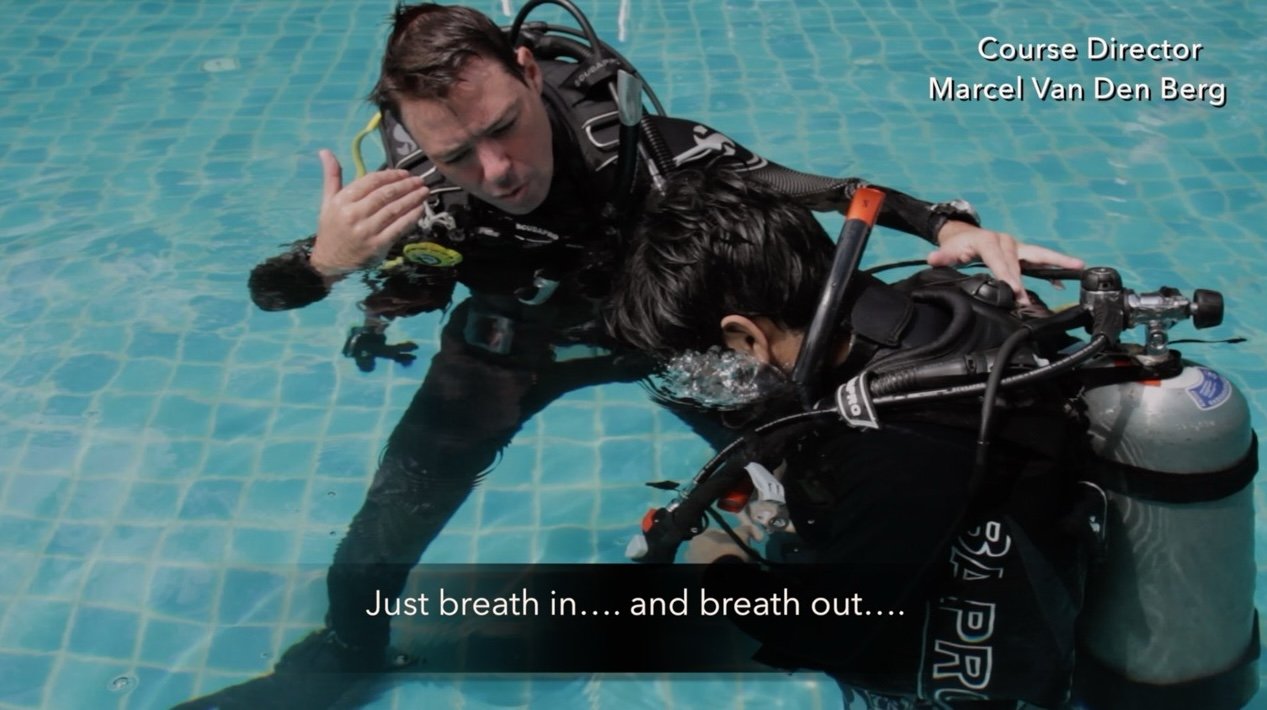
Breathing Naturally Works Best
One of the biggest mistakes divers make is trying to force unnatural breathing patterns underwater.
Scuba diving breathing should be:
- slow
- deep
- relaxed
- continuous
You should never skip breaths or hold your breath while scuba diving.
Trying too hard to “save air” often increases stress and actually worsens air consumption.
Free Air Consumption Guide
If you’d like to improve your air consumption further, I’ve created a completely free guide called:
“Air Consumption Made Easy”
Inside, I cover practical real-world techniques to help divers:
- reduce air consumption naturally
- improve buoyancy
- feel calmer underwater
- extend dive time safely
- become more relaxed and efficient divers
👉 Download the free guide here:
https://marcel-van-den-berg.kit.com/air-consumption-guide
Experience Naturally Improves SAC
Many divers become discouraged when comparing themselves to highly experienced divers with excellent air consumption.
But it’s important to remember:
experience matters.
As divers gain more dives, many things improve naturally:
- comfort underwater
- buoyancy
- awareness
- trim
- relaxation
- breathing patterns
Air consumption often improves automatically as these skills develop together.
Final Thoughts
Improving air consumption is usually not about one single trick.
It’s the result of becoming:
- calmer
- more efficient
- more relaxed
- better balanced underwater
The divers with the best air consumption are often simply the divers who look the most comfortable underwater.
Focus on:
- buoyancy
- trim
- relaxation
- slow movement
- proper weighting
And your air consumption will often improve naturally over time.
Scuba diving should feel peaceful, controlled, and enjoyable — not rushed or stressful.
— Marcel van den Berg
PADI Platinum Course Director