How to Equalize Your Ears While Scuba Diving Safely
One of the most common challenges new scuba divers face is learning how to equalize their ears properly underwater.
If you’ve ever felt pressure, discomfort, or pain in your ears during descent, you’re definitely not alone. Equalizing is one of the most important scuba diving skills to master, and fortunately, most divers improve significantly with practice, relaxation, and the right techniques.
After teaching scuba diving professionally for more than 20 years, I’ve seen that ear equalization problems are often not caused by a diver “doing something wrong,” but simply by descending too quickly, feeling stressed, or not fully understanding how equalization works.
This article will help you understand:
- why equalizing is important
- how to equalize properly
- common mistakes divers make
- techniques that may help you equalize more comfortably and safely
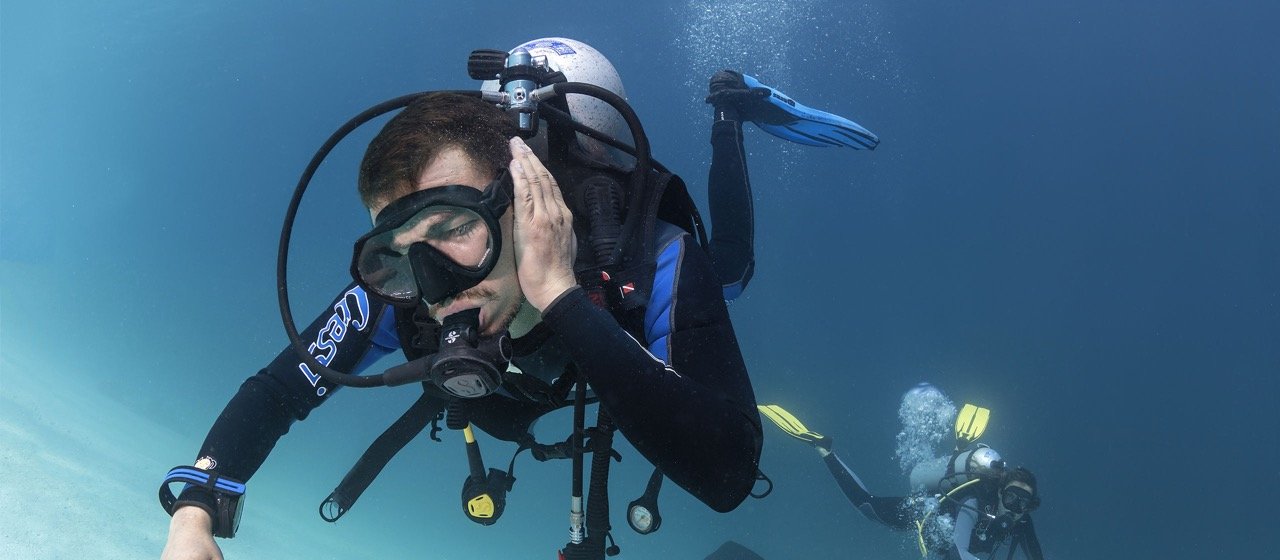
Why Do Divers Need to Equalize?
As you descend underwater, the pressure around your body increases rapidly.
Your ears contain air spaces, and if the pressure inside your ears does not match the surrounding water pressure, you may feel:
- pressure
- discomfort
- pain
- blocked ears
- difficulty descending
If ignored, this can eventually lead to ear barotrauma, which is an injury caused by pressure imbalance.
Equalizing adds air gently into the middle ear space to balance the pressure.
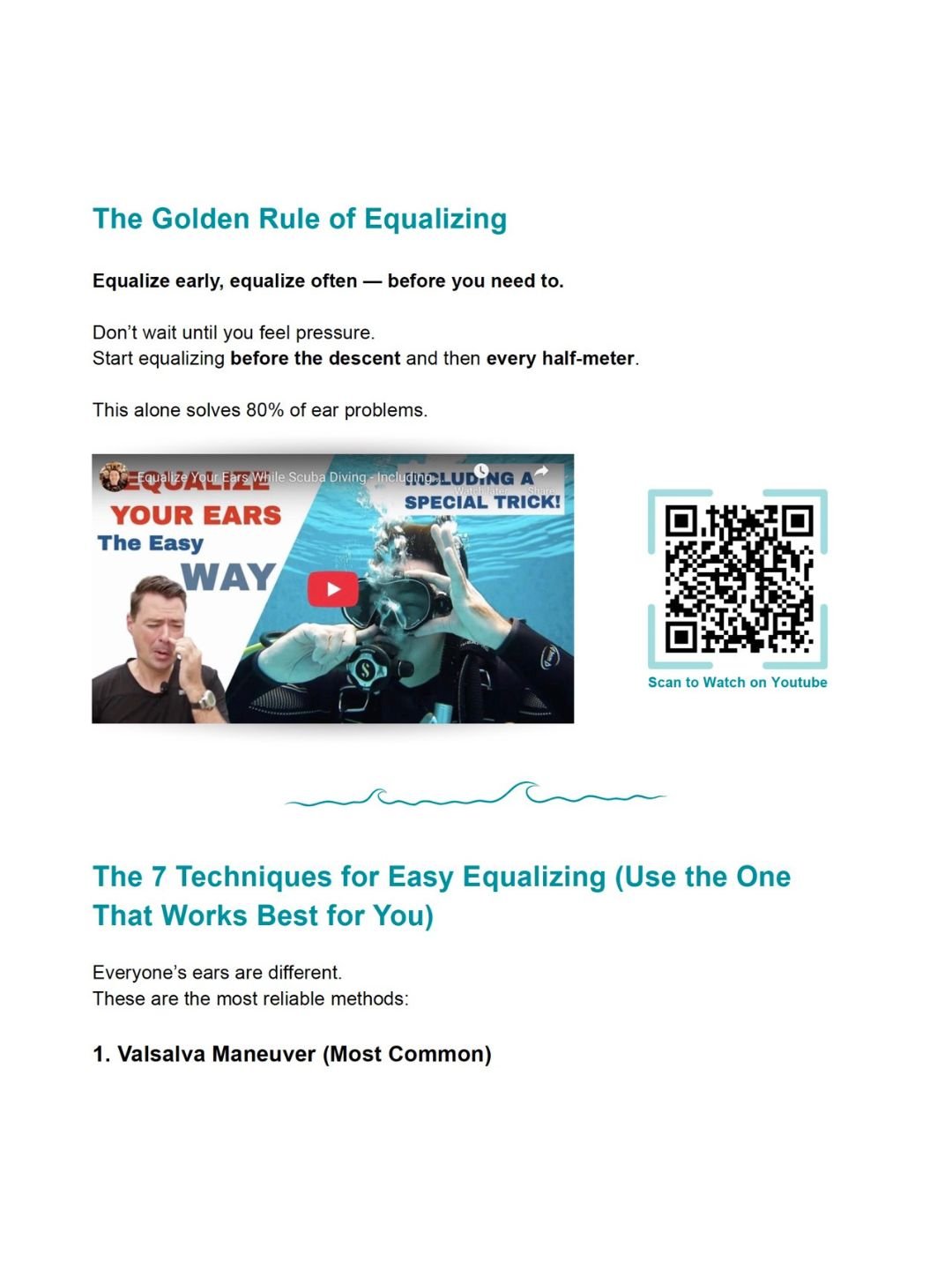
The earlier and more often you equalize, the easier and safer it usually becomes.
Equalize Early and Often
One of the biggest mistakes new divers make is waiting until they already feel pain before trying to equalize.
A much better approach is:
- start equalizing before discomfort begins
- equalize frequently during descent
- descend slowly and in control
Many experienced divers equalize every few feet or even continuously during descent without even thinking about it.
Small, gentle equalizations are usually much easier than trying to force a large equalization after pressure has already built up.
The Most Common Equalization Technique
The most widely taught technique is the Valsalva maneuver.
This involves:
- Pinching your nose gently
- Closing your mouth
- Blowing very softly against the closed nose
You should never blow forcefully.
Equalization should feel gentle and controlled. Forcing it too hard may actually increase the risk of injury.
Other Equalization Techniques
Not every diver equalizes the same way. Some divers naturally find certain techniques easier than others.
Other common methods include:
- swallowing
- wiggling the jaw
- moving the jaw side to side
- swallowing while pinching the nose
- Frenzel equalization techniques
Many divers discover that combining several small techniques works best for them.
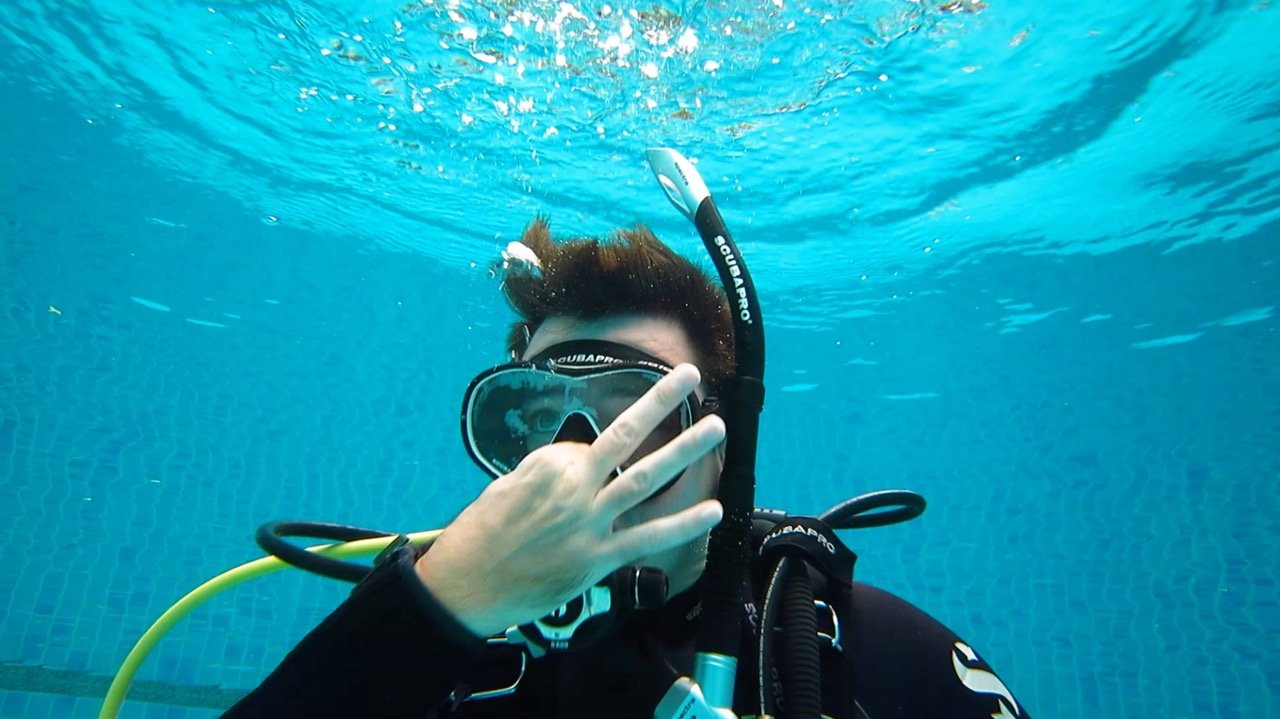
Descend Slowly and Stay Relaxed
Stress and rushed descents are often major causes of equalization problems.
When divers feel anxious or try to descend too quickly:
- breathing may become faster
- muscles tighten
- equalization becomes more difficult
Relaxation plays a huge role in comfortable diving.
Good buoyancy control, slow breathing, and controlled descents can significantly improve equalization success.
Never Dive With Congestion
If you are sick, congested, or unable to equalize comfortably on the surface, it is usually best not to dive.
Congestion from:
- colds
- allergies
- sinus infections
can block the air passages needed for proper equalization.
Trying to force dives when congested can increase the risk of ear injuries.

What To Do If Equalization Hurts
Pain is a warning signal.
If you feel pain during descent:
- Stop descending immediately
- Ascend slightly
- Try equalizing gently again
- Relax and breathe slowly
If equalization still does not work comfortably, the safest option is to end the dive.
Never continue descending through pain.
Want to Improve More Than Just Equalization?
Proper equalization is only one part of becoming a calmer, safer, and more confident diver.
My full Ultimate Scuba Diving Tips eBook also covers:
- buoyancy control
- air consumption
- underwater confidence
- dive safety
- equipment tips
- real-world diving skills
- relaxation underwater
- situational awareness
- and much more
Check out the Ultimate Scuba Diving Tips eBook here:
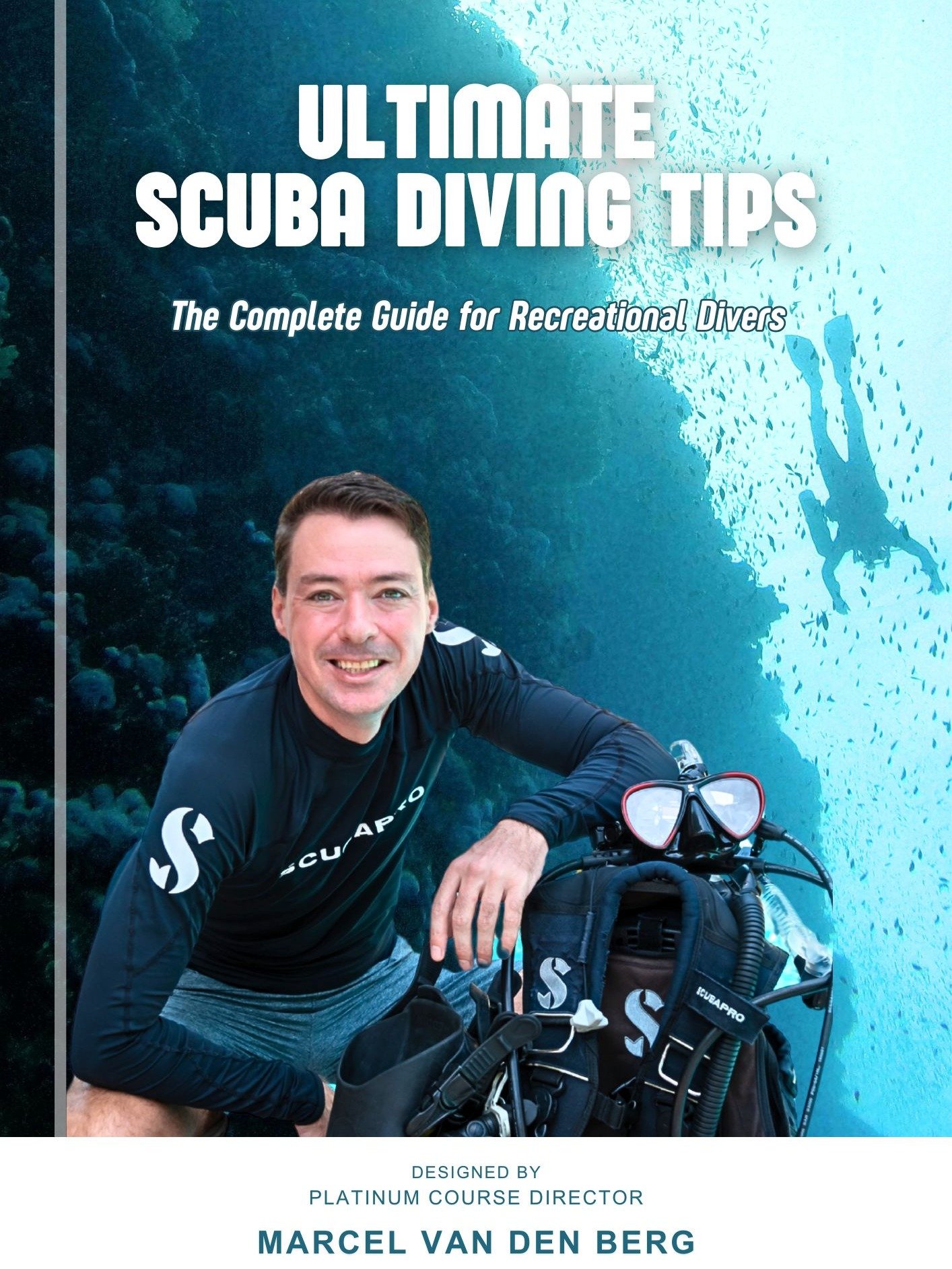
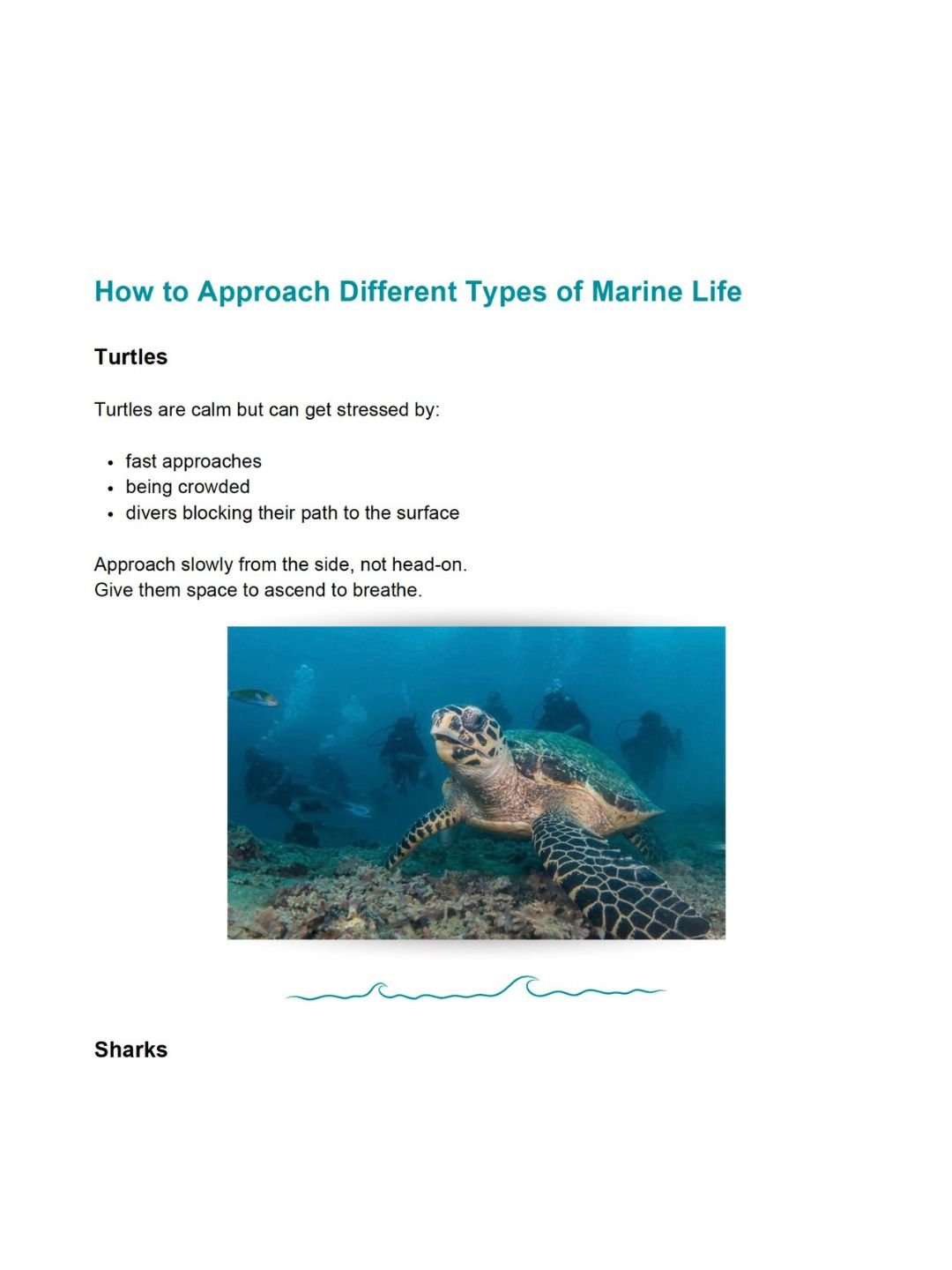
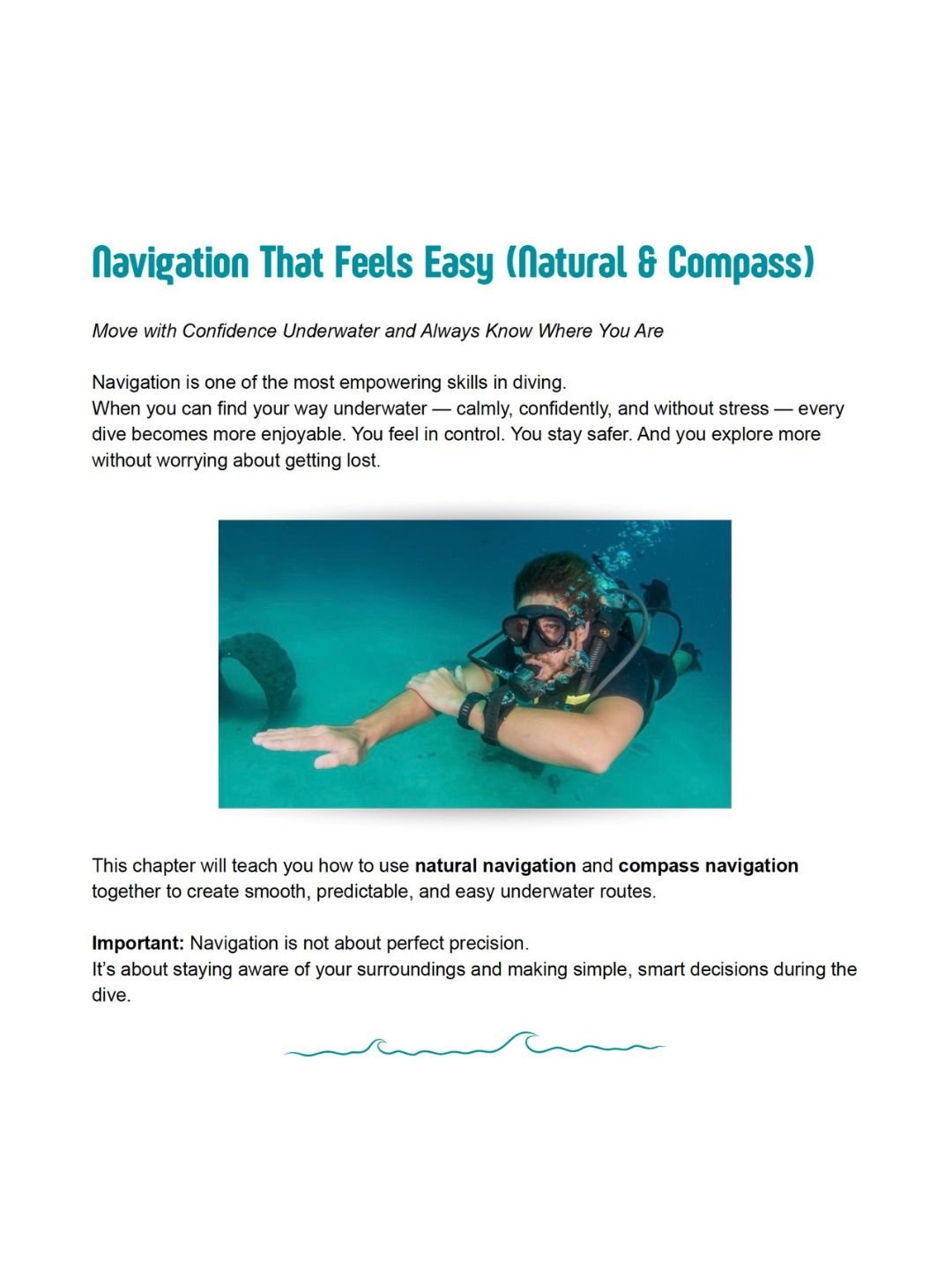
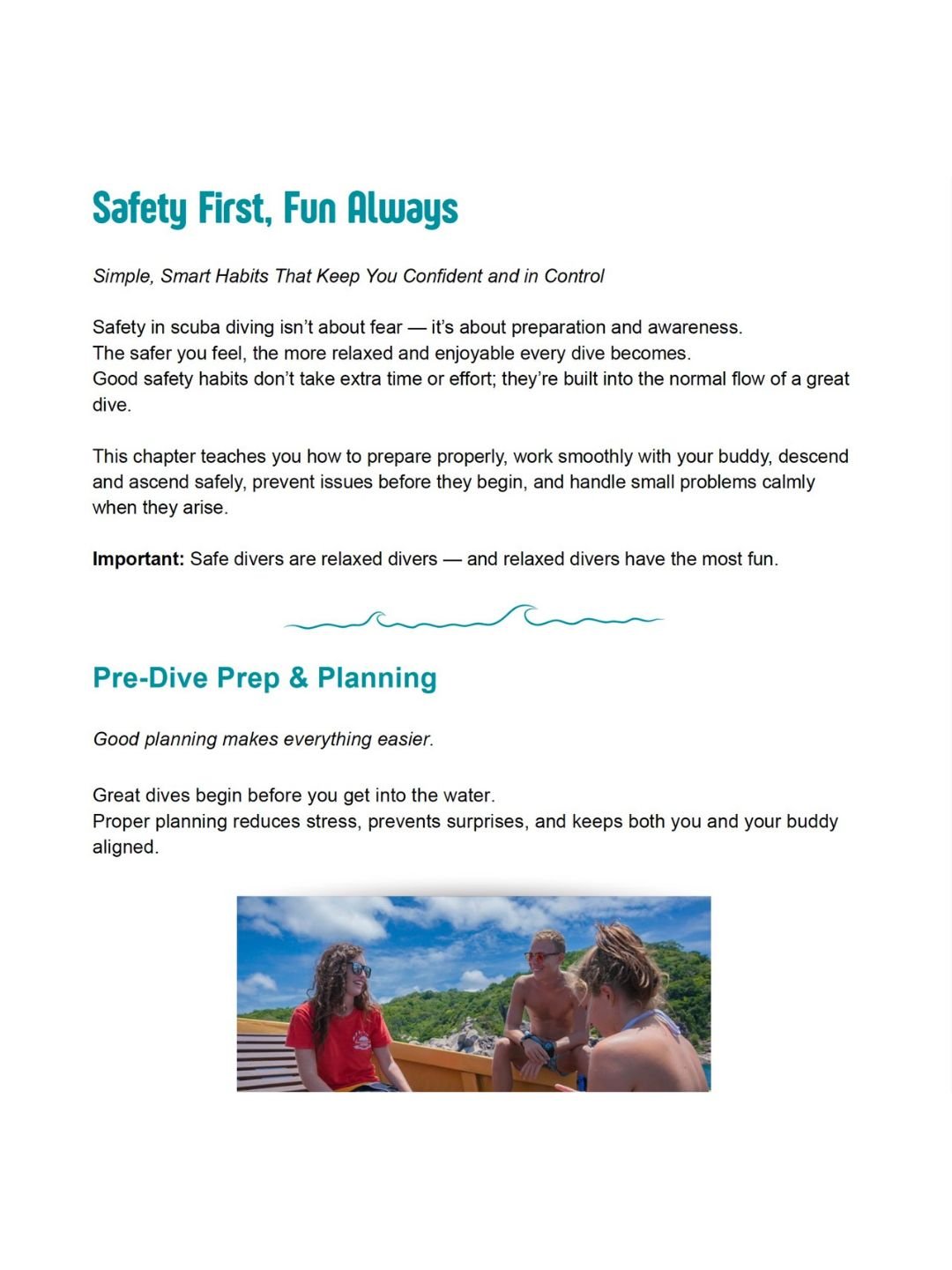
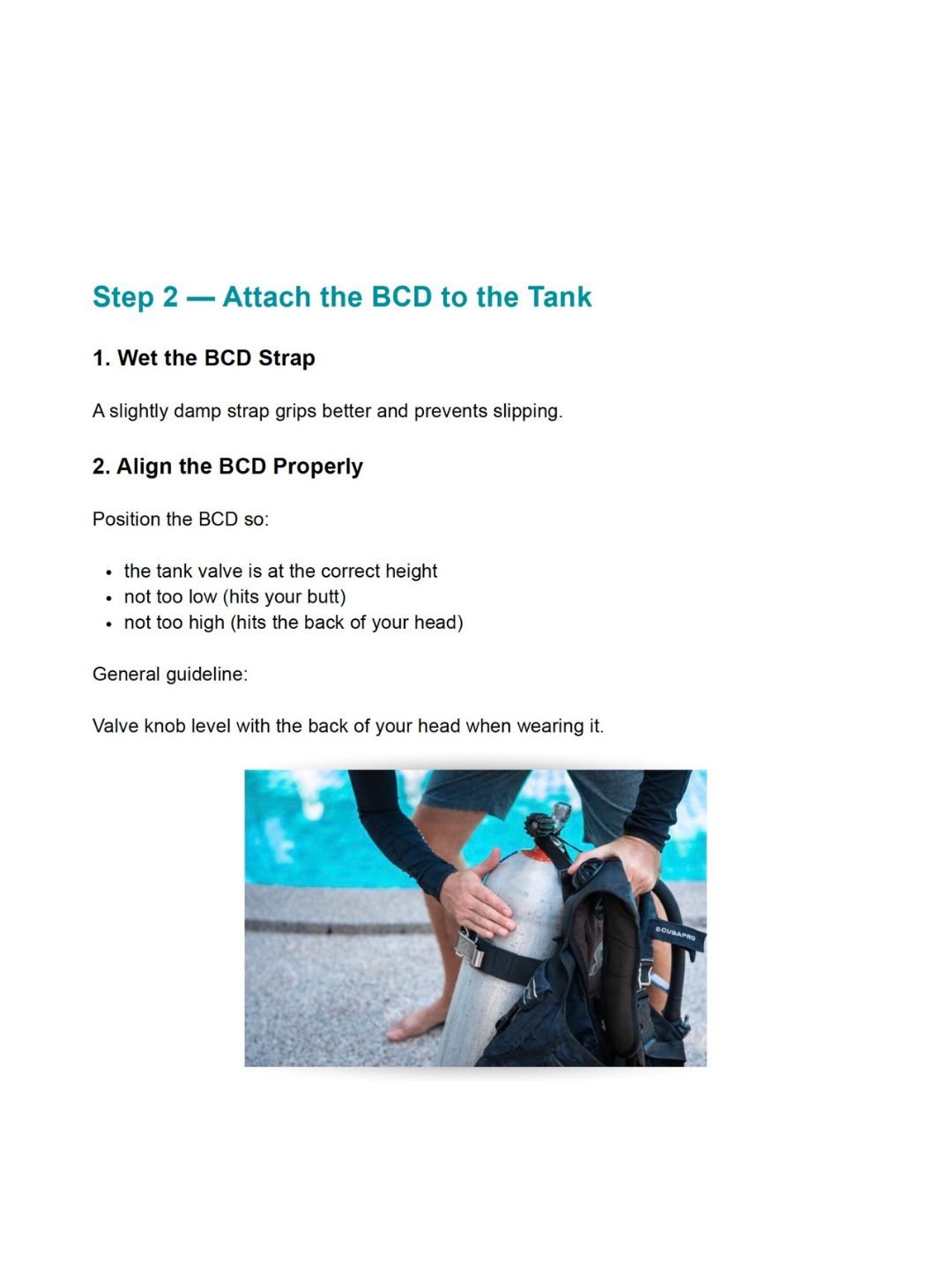
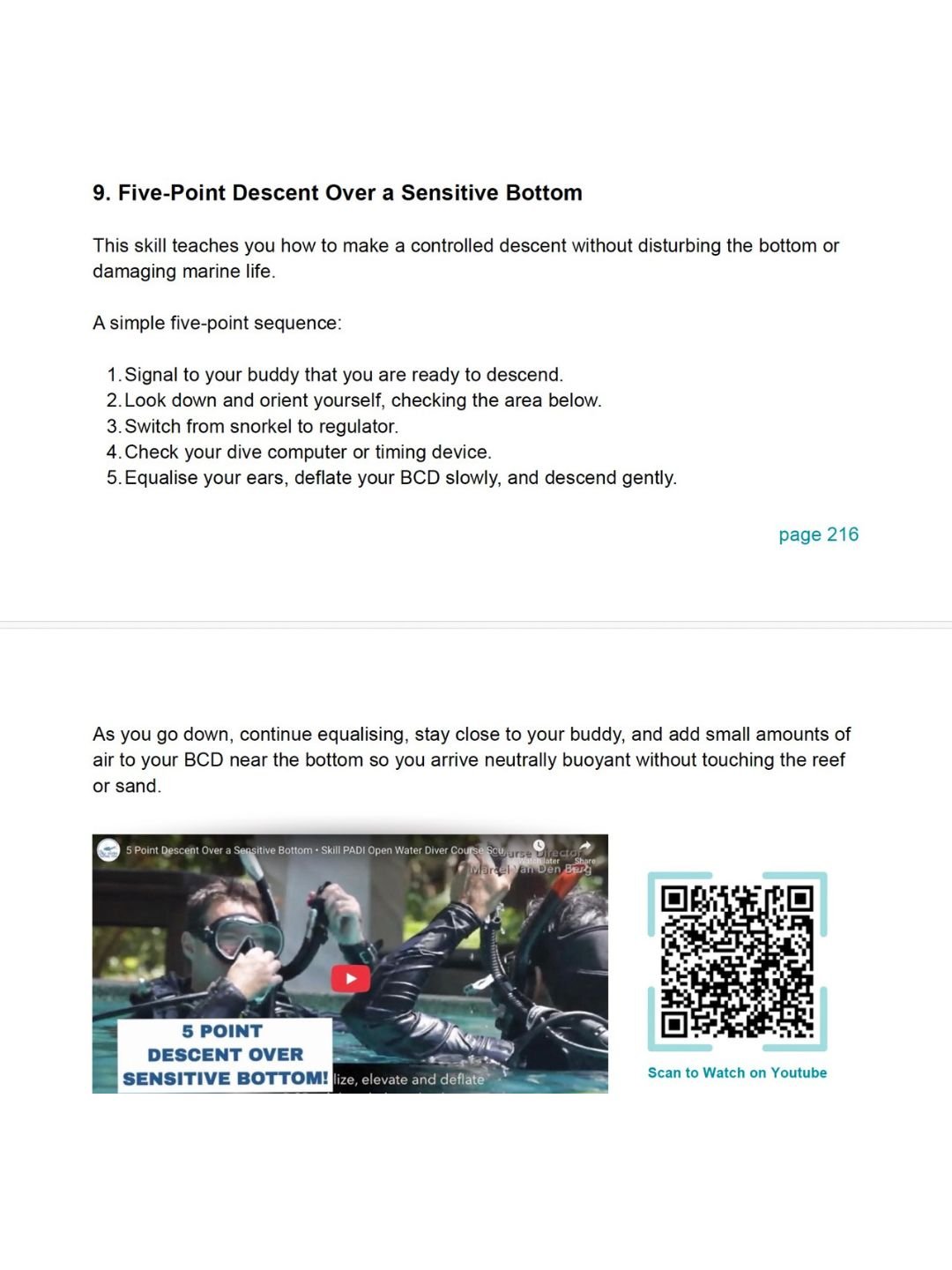
Ultimate Scuba Diving Tips – 100 Essential Tips to Dive Better, Safer, and More Confidently
Struggling With Air Consumption, Buoyancy, Equalizing or, Confidence Underwater?
Become a better, safer, and more confident diver with practical techniques proven through 20+ years of teaching thousands of divers—from complete beginners to dive professionals.
✔ Reduce air consumption and stay longer underwater
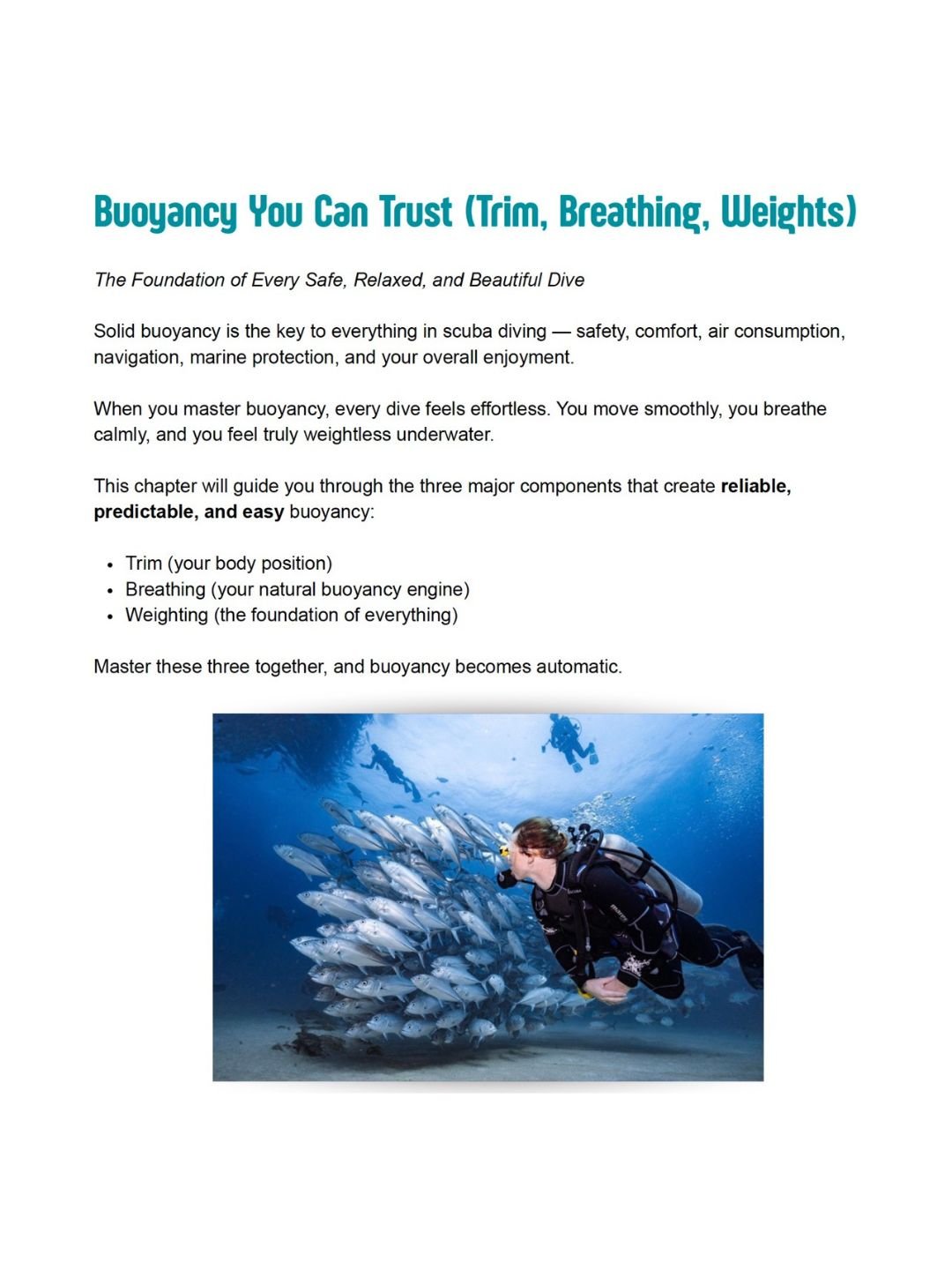
✔ Improve buoyancy and control instantly
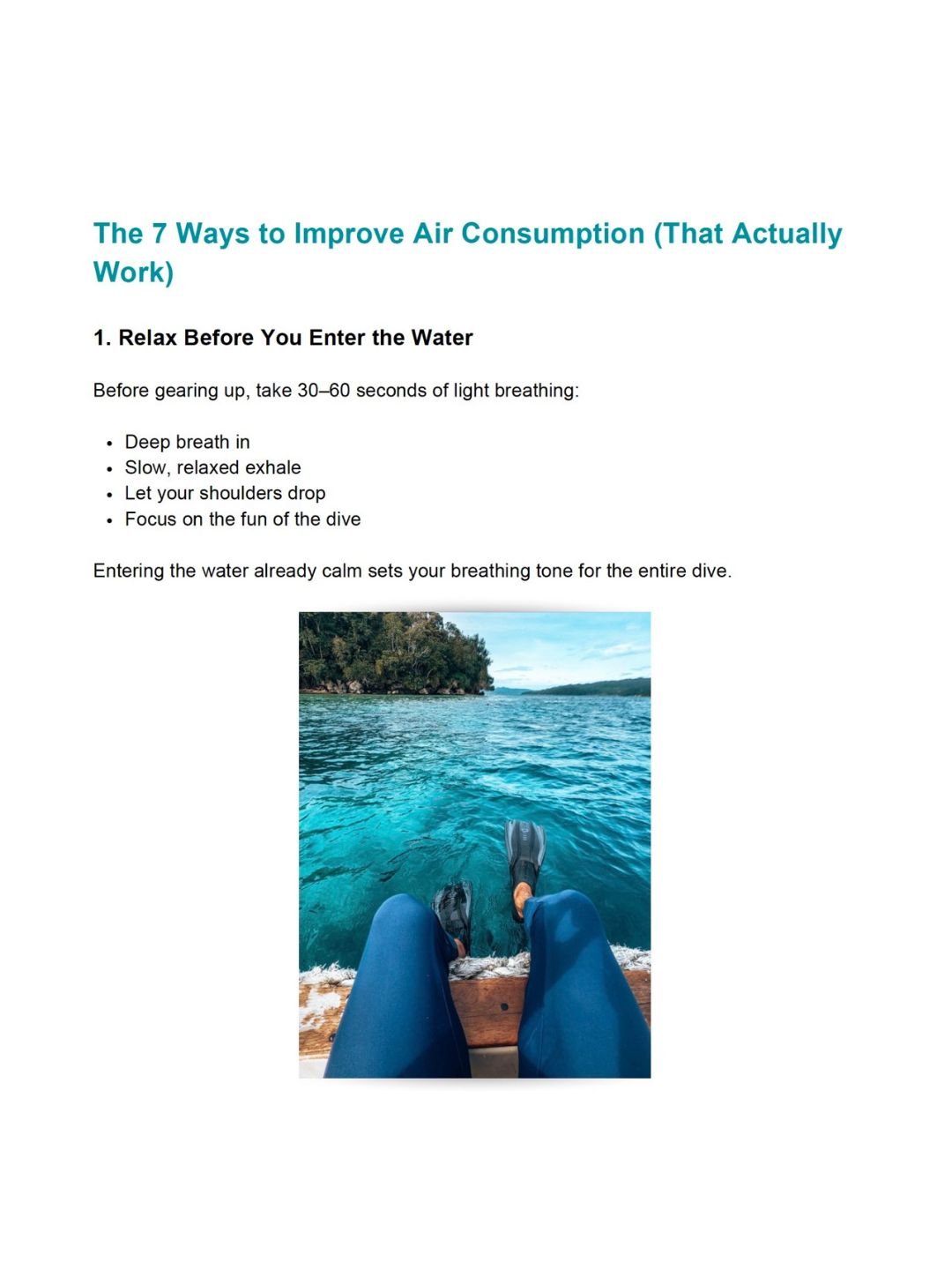
✔ Feel calm and relaxed on every dive
✔ Avoid common mistakes most divers don’t even realize
Hi, I'm Marcel van den Berg, a PADI Platinum Course Director. I created this eBook to share the same practical techniques I teach my students every day.
This guide is perfect for you if:
✔ You use air faster than your buddy
✔ You struggle with buoyancy control
✔ You feel a bit stressed or rushed underwater
✔ You want to improve your diving skills quickly and confidently
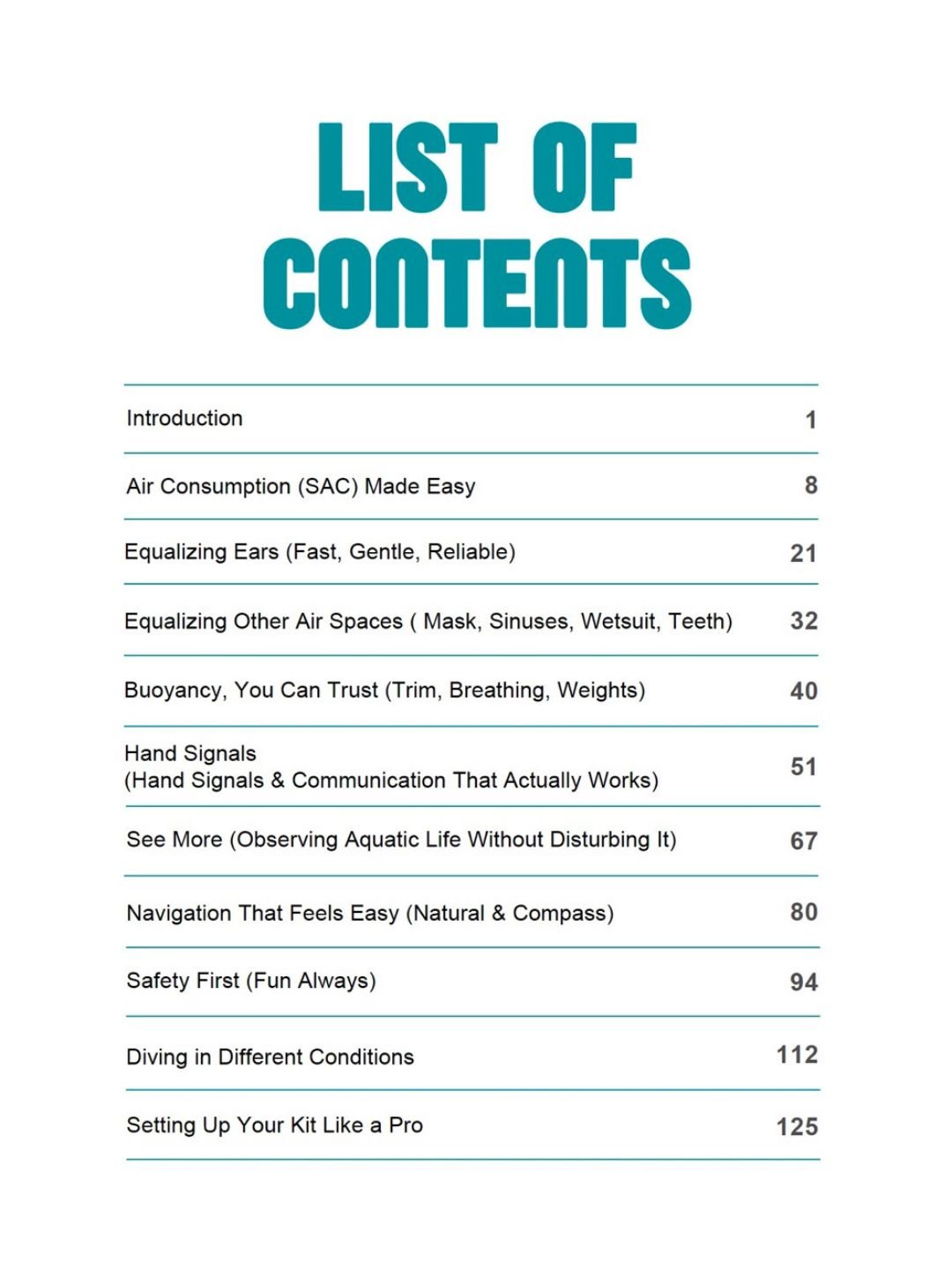
Inside this guide, you’ll discover:
- Core diving skills explained clearly and simply
- Navigation, safety, and diving in different conditions
- Equipment setup and how to dive more efficiently
- Underwater communication and awareness
- Photography, videography, and dive computer basics
- How to improve your air consumption step by step
- Simple techniques to control your breathing underwater
- Proven buoyancy tips used by professional divers
- How to dive more relaxed and extend your bottom time
- Common mistakes and how to avoid them
- And much more across 280+ pages of practical diving knowledge
This is not just theory..
This guide is based on real teaching experience with thousands of divers — from beginners to professional level.
You’ll learn what actually works in real diving situations.
Trusted by divers from around the world through courses, training, and online education.
Based on techniques used to train professional-level divers worldwide.
✔️ Instant Download
✔️ Read on Phone, Tablet or Computer
⭐⭐⭐⭐⭐ Rated 5.0/5 by divers worldwide
☀️ SUMMER SALE — Get 10% OFF! Use code: SUMMER26 🤿
(Valid until 31 August 2026)
Equalization Gets Easier With Experience
Many new divers worry they are “bad” at equalizing, but in reality this skill often improves naturally with experience.
As divers become:
- calmer underwater
- more relaxed
- better with buoyancy
- more comfortable descending slowly
equalization often becomes dramatically easier.
Like many scuba skills, confidence and repetition make a huge difference.
Final Thoughts
Equalizing your ears is one of the most important scuba diving skills for comfort and safety underwater.
The key points to remember are:
- equalize early
- equalize often
- descend slowly
- stay relaxed
- never force it
Most divers improve significantly over time, especially when they focus on relaxation and controlled descents rather than rushing underwater.
Scuba diving should feel calm, comfortable, and enjoyable — and proper equalization is a big part of that experience.
— Marcel van den Berg
PADI Platinum Course Director